• Skip to primary navigation
  • Skip to main content
  • Skip to primary sidebar
The Outdoor Bilingual Learner

The Outdoor Bilingual Learner

Learning Languages Through Nature

  • Blog
    • Language Learning
    • Language Learning Notebooks
    • Outdoor Learning
    • Pony Adventures
  • Shop and Resources
  • Book
  • About Rachel

5 Ways to Use Your Child’s Hobby for Language Learning

Rachel Lechner

Introduction

Encouraging language learning can be a little challenging, sometimes frustrating and other times extremely rewarding. But how do we keep it interesting and captivating for our children?

Whether you are a bilingual family or just a family looking to introduce a foreign language into your home or homeschooling routines you need to decide how you are going to introduce the language so that your child is enthusiastic.

Harnessing your child’s hobbies as a tool for language learning can make the process more enjoyable and effective. From personal experience as a bilingual family that went from OPOL (One Parent One Language) to a Time and Place method where we used outdoor time and our pony activities for our language learning times, I can guarantee you that your child will be more motivated to learn in an environment that already creates for them motivation and curiosity rather than just sitting in a classroom environment and hoping for the best!! (If you are interested in why we changed our method take a look at this blog post ‘Our Bilingual Journey So Far´.)

Here are five creative ways to incorporate your child’s interests into their language learning journey.

Crafting Language-Infused Projects

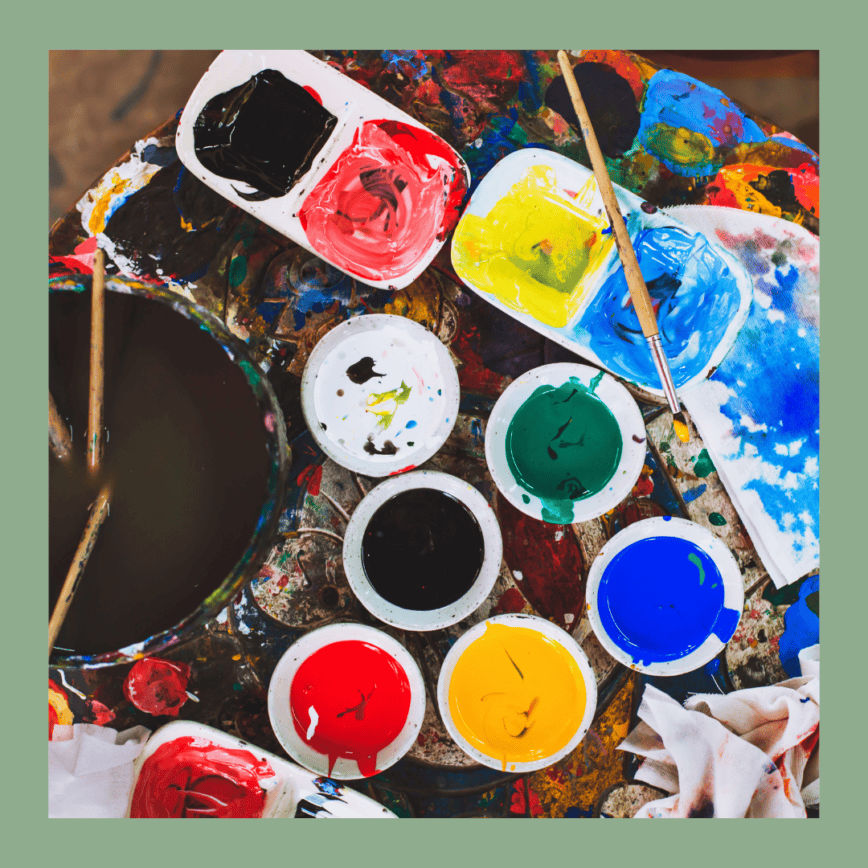
Whether it’s designing a scrapbook, building a model , or creating DIY jewelry, provide instructions and engage in conversations related to the hobby in the new language. This experience will enhance vocabulary retention and language comprehension.

Our example would be, let’s build a scrapbook of our riding adventures, or let’s make a model of a pony and try and name all its parts in both languages.

Storytelling Through Role-Playing

Imaginative storytelling and role-playing. Whether it’s pretending to be characters from a favourite film, enacting scenes from a favourite book, or improvising dialogues related to their hobby, language learning can be seamlessly woven into these engaging activities.

Our example is talking about a Bibi and Tina film or about a horse video we have seen on Youtube or even acting out a competition we are going to or have been to.

Multilingual Resources and Materials

Seek out multilingual resources related to your child’s hobbies, such as bilingual books, language-learning apps, or educational videos all are fabulous resources However you could also create your own. By exposing your child to diverse language content within the context of their hobbies, you can cultivate a natural and sustained engagement with the target language.

I have an activity sheet available in my shop in English, German and French showing 10 easy parts of a horse. If you have a horse crazy child like me take a look here

Gamifying Language Learning

Transform language learning into a game that aligns with your child’s hobby. Whether it’s creating a language-themed scavenger hunt, designing language-based challenges related to their interest, or using language apps, infusing fun and playfulness can motivate and sustain their language learning journey.

We would use a stable scavenger hunt for various mucking out items or parts of a grooming kit. Maybe finding specific foods from the feed-room. You can be as creative as you like this is just our crazy-horse-world!


Cultivating Cultural Awareness

Explore the cultural dimensions of your child’s hobby through the lens of language. Whether it’s learning about the historical origins of a particular hobby, or discovering traditional games and/or pastimes from different cultures, integrating language with cultural exploration can enrich your child’s language learning experience.

For us this would mean looking at horses and when they were domesticated. Looking at wild horses today and their living environments etc.


Conclusion

In conclusion, leveraging your child’s hobbies for language learning can foster a deeper connection with the target language. By integrating their interests with language learning opportunities, you can nurture a love for languages that extends beyond the confines of traditional learning environments. Embrace the creativity and versatility afforded by your child’s hobbies to create a dynamic language learning journey that captivates their imagination and enriches their language capabilities.


← Previous Post
How to Create an Outdoor Language Learning Routine
Next Post →
4 Reasons Why Your Child Should Start Learning A Foreign Language At An Early Age

Categories: Family life + Language Learning

Primary Sidebar

Hi I’m Rachel

Your go-to Bilingual Mom for language learning and raising a bilingual child using nature and the great outdoors.

Follow me

  • Instagram
  • Pinterest

Newsletter

outdoor_bilingual_learner

🇬🇧 Ab 2026 KOSTENLOSE Englischunterricht auf Facebook/Youtube 7-12 Jahre
🌳 Englisch lernen mit + in der Natur
📗 Printables and journal prompts

Do you think this could be useful for your child’s Do you think this could be useful for your child’s language learning?
📗 Mother Daughter Journaling 🖋🖋 We journaled last 📗 Mother Daughter Journaling 🖋🖋

We journaled last year, but we have decided to journal TOGETHER this year. 

Getting things down on paper is going to calm us before bed and to get things out of our heads. 

We are also going to be entering our Language Learning Bucket List activities and of course a language learning weekly prompt. Plus of course some nature study🌳 and let's not forget our book📚 and pony riding tracker🐴

#languagelearning #journaling #motherdaughtertime
#filofaxing
 
Do you journal? (BUJU, Scrap, nature etc.)
🇬🇧 ❄️ January English Bucket List ❄️ Small steps. 🇬🇧 ❄️ January English Bucket List ❄️

Small steps. Real English.

In 2026 we're keeping english SIMPLE, PLAYFUL & MEANINGFUL - just a few minutes at a time wovon into daily life.

❄️ speaking in full sentences
❄️ learning winter vocabulary
❄️ listening to English stories
❄️ using English outdoors 
❄️ sharing English with the family

No Pressure. No worksheets.

Just REAL LANGUAGE IN REAL LIFE 💚

Perfect for children aged 7-12 whether they are learning English at school or at home.

✨️ Save this post and try one activity each week or download it for free in my bio. 

‐----‐------------------------------------------------------------------

🇩🇪🇦🇹 Januar/ Jänner Englisch-Bucket-List

Kleine Schritte. Echtes Englisch.

Dieses Jahr halten wir Englisch EINFACH & SPIELERISCH nur ein paar Minuten, ganz entspannt in den Familienalltag integriert.

❄️ ganze Sätze sprechen
❄️ Winter-Wortschatz entdecken
❄️ englische Geschickten hören
❄️ Englisch draußen erleben
❄️ Englisch gemeinsam in der Familie nutzen

Kein Druck. Kein Arbeitsplätze.
Nur ECHTE SPRACHE IM ECHTEN LEBEN 💚

Geeignet für Kinder von 7-12 Jahren- für Schule und Homeschooling.

#englischlernenmitkinder #SprachenLernenImAlltag
#Volkschuleenglisch #homeschooling #charlottemasoninspired
I wish you all a Merry Christmas 🌲🌲🌲 I am going t I wish you all a Merry Christmas 🌲🌲🌲

I am going to spend some quality bilingual time with my family, dog and ponies💚

See you in 2026🍀
On Sunday 21 December is the shortest day and long On Sunday 21 December is the shortest day and longest night, also known as the Winter Solstice and the start of Winter.

🇬🇧 Winter solstice 🇩🇪 Wintersonnenwende 
🇬🇧 shortest day 🇩🇪 kürzeste Tag

You can download this free if you wish from the link in my bio, or just take a screenshot 😉 and enjoy some of the activities. 

Winter| Activites with children | Resources| Englisch lernen | Learning languages|
🎅 Free Christmas Bilingual Flaschcards🌲🌲 Download 🎅 Free Christmas Bilingual Flaschcards🌲🌲

Download them from my link, yes I know I could have set up Manychat - but I haven't so you will need to do it the 'old school' way. Off to my bio you go!! 

It is free on a Google link so no need to enter any details!

How can you use these flashcards

1. Picture Vocab -Print off and just show the pictures and ask for the vocabulary.

2. Mix and Match- Print off and cut out and see if they can match the correct word with the correct picture.

3. Treasure hunt - finding the items in the house, or you can plant the pictures outside and they just have the names.

4. Memory - print them out a couple of times, play memory. They only get the pair if they can name the item in your language of choice. 

HAVE FUN! 

Learning languages | Learning english | Fremdsprache| Englisch lernen | Bilingual | Homeschooling | Free resources | 

Do you want more free resources?
Follow on Instagram

Copyright © 2026 · The Outdoor Bilingual Learner Reitstall Römerhütte KG Riegl 11a 8242 Sankt Lorenzen am Wechsel Privacy Statement Impression

Juniper Theme by Code + Coconut